Voltana Systems
Main Street chimney repair

Chimney repair in Main Street for older brick chimneys

Chimney repair in Main Street means working on buildings that have stood through a century of New Jersey winters, and that is exactly what our crews do here. We rebuild spalling brick, repoint mortar joints, seal crowns, and reline flues across the Main Street Historic District, Main Street Commons, and Main Street Village. We know the 08043 building stock, the preservation rules, and the leaks that show up every spring.

2022
Serving Main Street since
1,200+
Chimneys repaired
fall relining and waterproofing
Current season focus

Main Street overview

Chimney repair in Main Street built for historic buildings

Why we work in Main Street

Main Street is a high foot traffic area, which changes how we schedule work. We stage ladders and materials early, keep sidewalks clear, and finish noisy grinding before the lunch rush. The older commercial and residential buildings here also mean we run into historic preservation requirements that rule out certain replacement materials. We plan around those rules instead of fighting them. That is why so many property managers near the Main Street Gazebo call us first when a chimney starts leaking.

Historic-district masonry, leaks, and liners handled by local crews

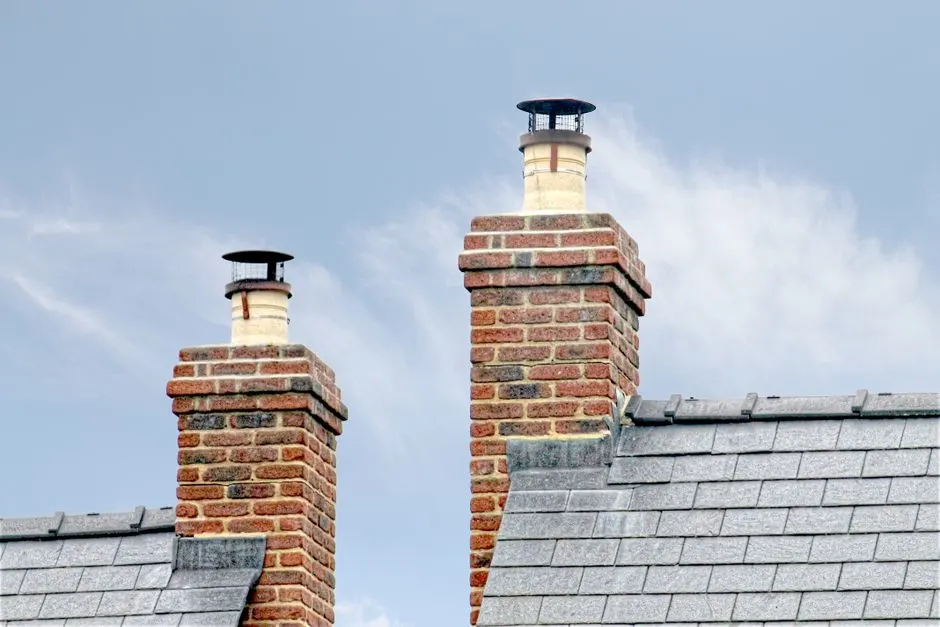
Voltana Systems has worked Main Street since 2022, and in four years we have learned that this is not a neighborhood where a generic chimney repair near Main Street will hold up. The Main Street Historic District is packed with century-old brick chimneys, original mortar, and slate roofs that punish any shortcut. We see the same pattern over and over: a hairline crack in the crown lets water in, the freeze-thaw cycle opens the mortar joints, and by spring the chimney is spalling. Our crews handle chimney repair Main Street New Jersey property owners actually need, from full masonry chimney repair Main Street rebuilds to liner replacement and waterproofing. We use ChimneySaver sealants and HomeSaver liners because they survive the humidity swings here. Every job starts with a CSIA Certified Chimney Sweep inspection, so you know exactly what is failing before we touch a trowel.
Services available

Chimney repair services we run in Main Street

Main Street chimneys fail in predictable ways, and our service list is built around them. If you are searching for chimney repair near me Main Street, the odds are you have a leak, a cracked crown, or crumbling mortar. We handle all three, plus liners, caps, dampers, and full restorations. Every service below is delivered by our own crews, not subcontractors, so the same people who inspect your chimney are the ones who fix it.

How we work locally

How chimney repair gets done in Main Street

Challenge: Century-old brick with soft, failing mortar

The original lime mortar in Main Street's historic buildings has eroded for decades, leaving brick faces exposed to water. Once the mortar goes, the brick spalls and the chimney loses structural strength. Repairs have to use a mortar mix that matches the original in strength and color, or the new mortar will crack the old brick.

Solution: We test the existing mortar on site, then mix a matching lime-based blend instead of grabbing a bag of Portland cement. Joints get ground out with an angle grinder and repacked with a masonry trowel and mortar jointer. On the historic district row, we match color and profile so the repair blends into the original wall.

Challenge: High foot traffic and tight sidewalk access

Main Street is a walking district, and blocking a sidewalk for a full day creates problems with neighbors and businesses. Ladder placement is limited, and we cannot leave materials sitting on the walkway. That forces tighter scheduling and more trips up and down.

Solution: We stage early, usually before 8 a.m., and keep the work zone to the smallest footprint possible. Materials go up on the roof in one trip, and we use ladder stands instead of leaning ladders against the building. Noisy grinding is done before the lunch rush so storefronts are not disrupted.

Neighborhoods we serve

Main Street Historic DistrictMain Street CommonsMain Street VillageVoorhees Town CenterEchelonWoodcrest

Service area

Main Street

Latitude: 39.8496

Extract Directions

Case files

Recent project: 1

Main Street Historic District

Challenge

A property owner near the Main Street Historic District had water staining on the ceiling below the chimney every time it rained. Two previous contractors had sealed the crown without fixing the real problem.

Execution

We ran an inspection camera down the flue and found open mortar joints on the exterior and failed step flashing at the roofline. We repointed the joints with a lime-matched mortar, replaced the flashing, and rebuilt the crown with a proper overhang. The whole job took four days, including cure time.

Impact

The leak stopped completely, and a follow-up inspection after the next heavy rain showed no moisture in the ceiling. The owner avoided the full rebuild another contractor had quoted.

Recent project: 2

Main Street Commons

Challenge

A commercial building near Main Street Commons had a rusted metal chimney that was leaking at the storm collar and had a cracked cap. The building owner needed the repair done without closing the storefront below.

Execution

We worked early mornings before the store opened. We replaced the storm collar, installed a new stainless cap sized to the flue, and resealed the roof penetration with new flashing. All noisy work was done before 9 a.m. so the business could open on time.

Impact

The leak was fixed in a single day, and the owner signed a maintenance contract for annual inspections. No store hours were lost during the repair.

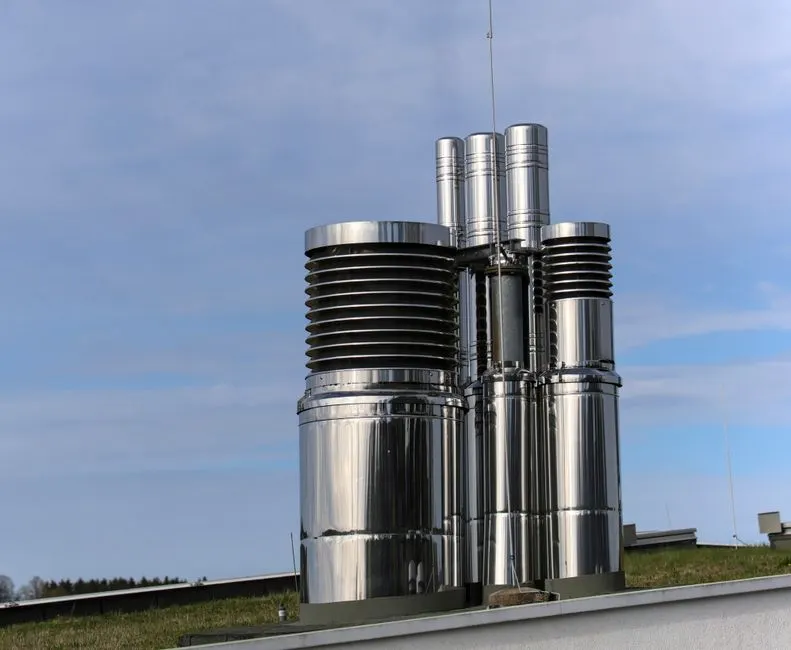
Reflective steel chimneys on a rooftop, contrasting with a clear blue sky, symbolizing modern industry.
Our track record
Our track record

What we see on Main Street chimneys

Four years of Main Street chimney work

Since 2022 we have repaired more than 1,200 chimneys across Main Street and the surrounding Voorhees neighborhoods. The pattern is consistent: roughly seven out of ten chimneys we inspect in the historic district have deteriorated mortar joints, and about half have a cracked crown that is letting water in. We have relined hundreds of flues that failed NFPA 211 clearance, and we have rebuilt chimneys on buildings that had been patched with the wrong mortar for years. Our chimney repair Main Street crews carry the same tools on every truck, from chimney brushes and rods to inspection cameras and draft gauges, so we diagnose and fix in one visit whenever possible.

1,200+
Main Street chimneys repaired

Local questions

How much does chimney repair cost in Main Street?

Most chimney repairs in Main Street run $350 to $1,800, with crown repairs around $450 to $900 and tuckpointing $600 to $1,800 depending on how much of the chimney is affected. A stainless liner installation typically costs $1,800 to $3,500. Full rebuilds start around $4,500. We quote after inspecting, so the number reflects your chimney, not an average.

Who is the best chimney repair in Main Street?

The best chimney repair in Main Street is the crew that inspects before quoting and matches materials to your building. We have worked Main Street since 2022, carry CSIA Certified Chimney Sweep credentials, and use inspection cameras on every job. Ask any contractor whether they test mortar before repointing. If the answer is no, keep calling.

Do you offer emergency chimney repair in Main Street?

Yes. We handle emergency chimney repair near Main Street for active leaks, blocked flues, and storm damage. Call our 24/7 line and we will get a technician moving, often the same day. We tarp or seal the chimney first to stop the damage, then schedule the permanent repair.

Licensed and insured

Licensed and compliant in Main Street

Every technician who works on a Main Street chimney carries OSHA safety certification and works under our New Jersey Home Improvement Contractor License. We are insured, and we follow NFPA 211 on every liner, clearance, and venting decision. On historic district buildings, we work within preservation requirements and match original materials instead of forcing modern replacements. That combination is what lets us repair a century-old chimney without changing how it looks from the street.

New Jersey Home Improvement Contractor License
New Jersey business registration
CSIA Certified Chimney Sweep Chimney Safety Institute of America
When To Call

Signs you need chimney repair in Main Street

Most Main Street chimney problems announce themselves before they become expensive. Water stains on a ceiling, a damper that will not close, or mortar crumbs on the roof are all early warnings. If you are searching for chimney repair near me Main Street because something looks off, trust that instinct. The five signs below are the ones we see most often in this area, and each one points to a specific failure we can fix.

1. Water stains on the ceiling near the chimney

This almost always means water is getting past the crown, flashing, or open mortar joints. In Main Street's older buildings, the leak source is often higher up than the stain suggests. Left alone, the moisture rots framing and ceiling drywall, turning a $500 repair into a much larger job.

2. Crumbling mortar on the roof or ground

Mortar crumbs around the chimney base mean the joints are failing. This is the most common issue we find in the historic district, where the original lime mortar has eroded for decades. Repointing now costs a fraction of what a rebuild costs later.

3. A damper that will not close or open

Rusty dampers are everywhere in Main Street's older homes because of the humidity. A damper stuck open sends heat up the flue all winter, and one stuck closed can trap smoke in the room. Replacement is usually a quick fix once we confirm the assembly.

4. White staining or flaking on the brick

That white powder is efflorescence, and it means water is moving through the brick and evaporating on the surface. It is an early sign that the chimney needs waterproofing. We see it on a lot of Main Street chimneys that have never been sealed.

5. Smoke backing into the room when you light a fire

A blocked or undersized flue causes smoke to spill into the room instead of going up. In Main Street, this often traces back to a cracked liner or a nest blocking the flue. It is a safety issue, not just an inconvenience, so call before your next fire.

Local Problem Patterns

Common chimney problems in Main Street

Main Street's building stock and climate create a predictable set of chimney problems. The historic district has century-old brick and original mortar, the winters bring repeated freeze-thaw cycles, and the humid summers rust dampers and flashing. Add in the preservation rules that limit replacement materials, and you get a short list of failures we see over and over. Knowing which one you are dealing with makes the repair faster and cheaper.

Deteriorated mortar joints on older brick chimneys

Why it happens here

The original lime mortar in Main Street's historic buildings has been weathering for a century. Once it softens, water gets behind the brick and the freeze-thaw cycle pushes the joints open further every winter. It is the single most common issue we find here.

Our approach

We grind out the failed mortar and repack the joints with a lime-matched blend that moves with the brick instead of cracking it. On the historic district row, we match color and profile so the repair blends into the original wall.

Cracked crowns letting water into the flue

Why it happens here

Crowns crack from thermal movement and from water sitting on a flat top. In Main Street, many crowns are original and have never been sealed. Once cracked, every rainstorm sends water down the flue and into the chimney structure.

Our approach

We rebuild the crown with a proper slope and overhang, then seal it with a flexible waterproof coating. Most crown repairs take three to five hours and stop the leak immediately. We also check the cap and flashing while we are up there.

Failed flashing at the roofline

Why it happens here

Flashing fails when the sealant dries out or the metal pulls away from the masonry. On Main Street's steep roofs, ice dams in winter pry flashing loose. It is the second most common leak source we find after crown cracks.

Our approach

We remove the old flashing, repair the roof seal, and install new step and counter flashing tied into the masonry. We test with water before we leave. Most flashing repairs take half a day and stop the leak at the source.

Cracked or missing clay flue liners

Why it happens here

Original clay liners in Main Street's older chimneys crack from heat stress and from years of creosote exposure. Missing mortar at the joints is common too. A failed liner lets heat and carbon monoxide reach nearby framing.

Our approach

We inspect the flue with a camera, then install a stainless HomeSaver liner sized to the chimney. That brings the flue up to NFPA 211 standards and makes it safe for wood, gas, or oil. Most relines are done in a single day.

Year-Round Coverage

How seasons affect chimney repair in Main Street

Chimney work in Main Street follows the weather. Fall is our busiest season because everyone wants the chimney ready before the first cold snap. Spring brings leak calls as snowmelt finds every crack. Summer is the right time for waterproofing and masonry work, and winter is when emergencies happen. Planning around those patterns saves you money and gets you on the schedule faster.

Spring

Snowmelt and spring rain find every crack that opened over the winter. We get a wave of leak calls in March and April, mostly from failed flashing and open mortar joints in the historic district. Ceiling stains that appeared over winter usually trace back to a crown or flashing failure.

Tip

Walk around your chimney after a heavy rain and look for water streaks on the brick. If you see them, book a leak inspection before the damage spreads into the ceiling.

Summer

Warm, dry weather is ideal for masonry work because mortar cures properly. This is when we do most of our tuckpointing, crown rebuilding, and waterproofing in Main Street. It is also the best time to reline a flue before the heating season starts.

Tip

Schedule masonry repairs and waterproofing in summer. The work cures better, and you avoid the fall rush when everyone else is calling.

Fall

Our busiest season. Homeowners across Main Street book sweeps, inspections, and damper repairs before the first fire of the year. Creosote buildup from last winter gets cleaned out, and we catch small problems before they become winter emergencies.

Tip

Book your chimney sweep and inspection by early fall. By November, our schedule in Main Street fills up, and you may wait a week or more for a standard appointment.

Winter

Freeze-thaw cycles do the most damage in winter. Water gets into hairline cracks, freezes overnight, and expands. We see blocked flues, smoke backup, and storm damage calls. Active leaks get priority because water damage spreads fast in a freeze.

Tip

If your flue blocks or your chimney starts leaking in winter, call our 24/7 line. We can tarp or seal the chimney the same day to stop the damage while we schedule the permanent repair.

Hiring Smart

What to ask before hiring a chimney repair in Main Street

Not every contractor who shows up in Main Street knows how to work on historic masonry. Some will seal a crown and call it a leak repair. Others will quote a full rebuild when tuckpointing would have held for another decade. The questions below are the ones that separate a contractor who understands this building stock from one who does not. Ask them before you sign anything.

  1. 1

    "Are you CSIA certified and do you carry a New Jersey Home Improvement Contractor License?"

    Why it matters

    CSIA certification means the technician passed a real chimney inspection and sweeping exam. The New Jersey license means the business is registered and accountable. Together they tell you the work will meet NFPA 211 and local code, not just look fine from the ground.

  2. 2

    "Will you inspect the flue interior with a camera before quoting?"

    Why it matters

    The flue interior is where the expensive problems hide. A contractor who quotes from the ground is guessing. We run an inspection camera on every Main Street job because a cracked liner changes the entire scope of the repair.

  3. 3

    "How do you match mortar on historic buildings?"

    Why it matters

    Main Street's historic district has original lime mortar, and using the wrong mix will crack the old brick within a few winters. A good contractor tests the existing mortar and matches it. A bad one grabs a bag of Portland cement and moves on.

  4. 4

    "What does the repair include, and what does it cost?"

    Why it matters

    You want a clear scope and a firm price before work starts. Ask what is covered, how long the repair should last, and whether the quote includes sealing or waterproofing. Vague answers usually mean surprise charges later.

  5. 5

    "Do you carry insurance and OSHA safety certification?"

    Why it matters

    Chimney work happens on ladders and steep roofs, which is dangerous. Insurance protects you if something goes wrong on your property. OSHA safety certification tells you the crew has been trained to work at height, not just willing to climb.

Knowing the Area

Navigating Main Street and the surrounding area

Main Street is a walking district, so getting to a job is not just about distance. We route around the busiest blocks, use the Main Street Gazebo as a central meeting point for crews, and stage near Voorhees Town Hall when we have multiple jobs in the historic district on the same day. Knowing where to park a truck and where to set a ladder saves time on every visit. If you are near the Voorhees Public Library, you are usually within a ten-minute drive of our next appointment.

Landmarks

  • Voorhees Town Hall

    A central reference point for scheduling and staging in the historic district. When we have multiple jobs nearby, crews meet here and split up on foot to avoid moving trucks between tight blocks.

  • Voorhees Public Library

    A reliable landmark for giving customers an ETA and for orienting new technicians. Many of our Main Street jobs are within a few blocks of the library, which makes routing straightforward.

  • Main Street Gazebo

    A common meeting point for property owners and our inspection crews. Several of our maintenance contracts in the historic district are coordinated from here because it sits at the center of the walking district.

Commercial Districts

  • Main Street Commons commercial row

    A mix of small storefronts and upper-floor offices in older buildings. Chimney and flue work here is often tied to HVAC venting and metal chimney repair rather than fireplaces, and scheduling has to work around business hours.

  • Voorhees Town Center district

    A busier commercial area with larger buildings and flat-roof penetrations. Demand here leans toward commercial flue repair, cap installation, and leak diagnosis, often on short notice when a tenant reports water coming in.

Transport & Access

  • Route 73 corridor

    The main north-south route through the area, giving our trucks quick access to Main Street and the surrounding Voorhees neighborhoods. Most of our crews come in this way.

  • White Horse Road

    A key east-west connector that runs close to the Main Street area. We use it to move between the historic district and nearby neighborhoods like Echelon and Woodcrest without cutting through residential streets.

!

Get chimney repair in Main Street before the next storm

If your chimney is leaking, spalling, or backing up smoke, the repair gets more expensive every month you wait. We have worked Main Street since 2022, we know the historic district's building stock, and we inspect before we quote. Call us and we will tell you what is actually wrong and what it costs to fix. Same-day appointments are available for active leaks.

Call now
Call Now: (844) 803-5147